
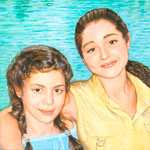
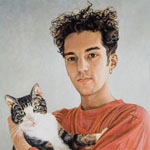
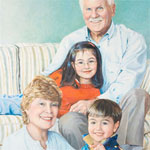
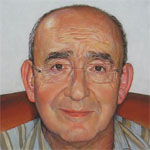
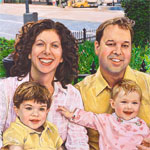
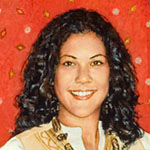
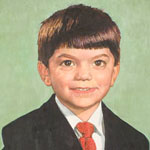
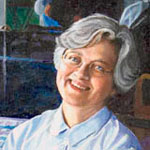
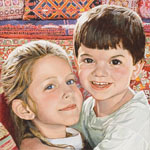


It’s not easy to figure out what might give readers a sense of knowing a bit about the person behind the blog, but here’s a start: I grew up in what was then a relatively rural town of 13,000 people, Sudbury, Massachusetts. I’ve been drawing and painting constantly since I could hold a pencil, and always got great pleasure from it.
I went to Sarah Lawrence College, studying art and history, and then on to graduate school in Russian history at the University of Michigan (in what? What’s an artist doing getting a Ph. D. in history? – more on that another time). I lived in the Soviet Union – St. Petersburg (then Leningrad) and Moscow – for a year doing research for my degree.
I married a man from Lebanon and had two children. Traveling to Lebanon to visit family has been one of the most enriching experiences of my life.
Through everything, I continued painting. I became very interested in art that moves, and got involved with film and animation (click on “About the Artist” for specifics).
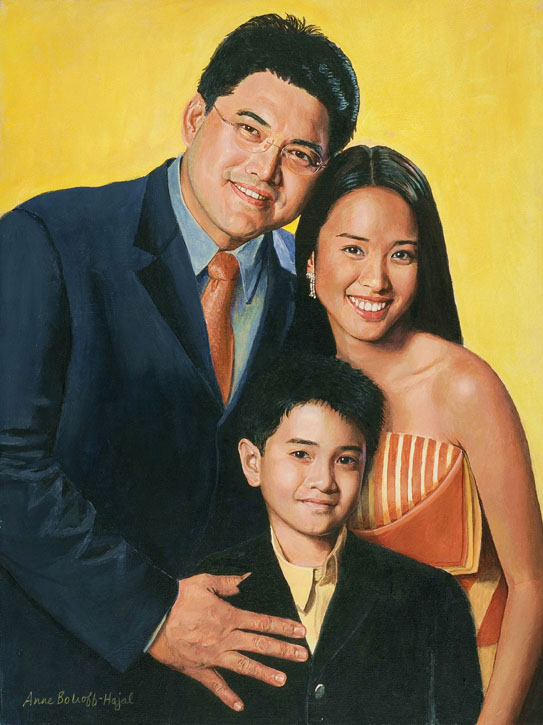
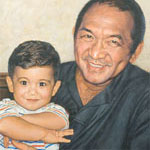
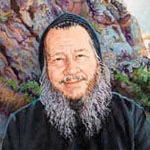
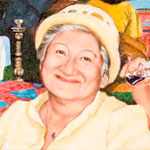
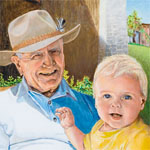
To me, there’s nothing more captivating than the human face and the myriad expressions by which it communicates with other people. Not surprisingly, then, portraiture is among my passions.
That’s the skeletal outline. Here’s a more philosophical point:
For me – as for many artists – painting isn’t a purely visual experience. Yes, we want to create canvases that are beautiful in some way, to rivet and pleasure the eye. But we also want to engage thought, and to create emotional communication among our subjects, ourselves, and anyone who looks at the artwork.
As I was growing up, my father was proud of my artistic accomplishments and supported my artistic development in every way. While I was still too young to get into art classes, he arranged watercolor lessons for me with a local artist. Later he and my mother sent me to life drawing and other classes.
But when it came time to apply to college, my father advised me not to go to art school. “You have to find something to say before you can say it,” he said. He didn’t believe that by focusing purely on learning art techniques could I become an artist with something of value to communicate. He felt I’d more likely find something important to say through a wider knowledge of human experience.
There are, of course, many paths to creating wonderful art. Many great artists do go to art school. This blog will describe my own path, to begin with in the field of portraiture.
tor market links darknet site
dark website darknet drug links
darknet drugs dark web market list
blackweb official website deep web markets
dark web market list dark web market links
darknet market links dark web link
free dark web how to access dark web
darknet drug market darknet sites
blackweb official website dark web site
darkmarket black internet
tor market url darknet market list
best darknet markets deep web drug markets
dark web websites deep web markets
dark market dark web links
the dark internet best darknet markets
dark net dark web market links
dark internet deep web drug links
blackweb official website dark web link
darknet sites darknet seiten
darknet links dark web site
dark web search engines darkmarkets
dark web sites links deep web drug store
deep web drug markets dark markets
dark market onion darknet search engine
darknet seiten tor markets 2022
darknet search engine darkmarket link
darkmarket darknet links
tor market url tor markets
blackweb official website onion market
darknet sites best darknet markets
tor markets 2022 dark web search engines
tor markets 2022 dark market list
tor marketplace dark web sites
darkmarket url tor dark web
darknet drugs dark web link
darknet websites dark web link
black internet dark web site
darknet market lists drug markets onion
dark web market list darknet site
darkweb marketplace dark web market links
dark web search engines tor marketplace
tor markets 2022 deep web drug url
deep web drug url dark web market
dark market onion darknet market links
dark net darkmarkets
free dark web darkmarket link
drug markets dark web darknet links
Рендеринг, показывающий часть масштабной реконструкции, запланированной для бывшего аэропорта Берлин-Тегель. Проект стоимостью 7,9 млрд долларов будет выглядеть, как жилой умный мегаполис примерно с 5000 домов, университет и новейший бизнес-центр. Строительство идет полным ходом, завершение запланировано на конец 2030-х годов.
В бывшем аэропорту Тегель на окраине Берлина, трудяги все еще находят заряды. Следы армии Пруссии и двух мировых войн сохранились на участке площадью 495 гектаров, который стал домом для главного аэропорта города в 1970-х годах, а затем в 2020 году он закрылся. Когда аэропорт был построен, территория держалась как взлетные полосы. По 3 метра с каждой из сторон были почищены, а остальные нет. С мая 2021 года более 10 тонн взрывчатки и боезапасов были перемещены или благополучно взорваны с 20 гектаров.
Но Тегель нельзя сравнивать с другими орудиями. Ведь его огромный мощный терминал, лабиринтные проходы — даже его диспетчерская вышка — заимели новое предназначение. Из-за многолетних вкладов в размере 8 миллиардов евро он стремится к тому, чтобы стать одним из самых амбициозных умных городов в Европе.
Проект, получивший название Berlin TXL, разрабатывался как экологически безопасное сообщество, полное устойчивых технологий, со своим Университетом и инновационными центрами для продвижения этих технологий в будущее. Он позиционируется как следующая глава городской жизни, которая хочет написать и последующие главы.
Ответственный за строительство Tegel Projekt, созданный по распоряжению фед. зем. Берлин и строящийся на государственной земле, в симбиозе с государством, частными компаниями и инвесторами в квартале Шумахера, пешеходной зоне, насчитывающей около 5000 домов, и в The Urban Tech Republic, районе для 5000 учащихся и до 1000 компаний.
Данные опубликованы trustorg.top